
Name Forms
During my school days, deciding on a “German name” or “Spanish name” for my language classes was never straightforward. Katie could be Katharina or Catalina; Stephen could be Stefan or Esteban. Chase has no easy cognates, and, as a Middle English nickname for a hunter, its semantic matches are also rarer. Later on, I found a few, like Venancio in Spanish and its various cognates from Venantius, from Latin venans, “hunting”, but I have still had to be creative with my practice names—Urho in Finnish is a semantic step or two away, as is Portuguese Carlos. In the Goidelic languages, I at least have the use of the cognates of my middle name, Neal. Via is no easier to convert semantically—far harder, in fact. Its murky etymology leaves much to be desired, so semantic indigenization must lean on the spurious theories (viz. that the name means “wood-hard”, “St. Vouga”, “raven”, &c.), or I must simply assume a surname from elsewhere (such as Beech Bluff, home to the families of Rafe Blankenship and Kitty Bell) or otherwise nativize it phonetically.
Nonetheless, I have always loved indigenization and preferred using other names in foreign languages. I would never expect somebody to take up an English name to speak to me in English—but what fun it is to (when appropriate) take up another name in another language, both for immersion and phonetics! Were I ever to be famous, I would hope to be known by indigenizations of my name in other languages—alas, that appears to be reserved only for monarchs, popes, and world-historical figures. Still, for reasons of work, travel, language-learning, or onomastics presentations during my linguistics courses, I have occasionally had reason to use versions of my name in other languages, which are collected below. (Some of these I did pick up studying onomastics; I did some research on martially themed names out of interest in my own). When constructing languages or advising on name-changes, I have loved and enjoyed making and bestowing names for others—hence, whenever I needed to take up or invent a name, I reached out to the relevant body or researchers to see if they were interested in sharing in the exercise.
The following list is entirely for fun—I really only use the semantic indigenizations for language learning; the phonetic ones are more useful for branding and web presence.
| Language | Name-form | Notes & Development |
|---|---|---|
 Asturian
|
Venanciu Faya Semantic |
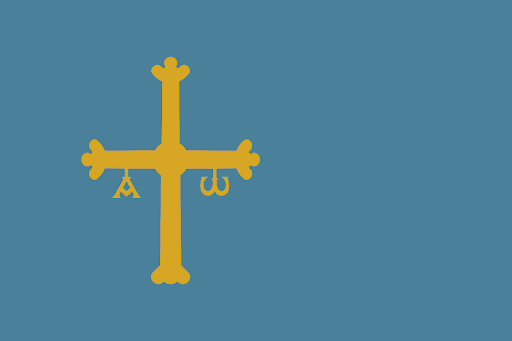
Daniela Cortina of the Academy of the Asturian Language kindly aided me here, providing Venanciu as the Asturian reflex of Venantius and noting the surname Faya, meaning “beech”; this is phono-semantic, in a sense, referring both to Beech Bluff and also having a surface sound-resemblance to Via. |
 Bashkir
|
Sunarsı Yason ulı Сунарсы Ясон улы Semantic |
Rezida A. Suleimanova of the Ufa Federal Research Center RAS charitably replied to my request for names with hunting themes, which, she said, were once “widespread” but now “are used extremely rarely. Some of them generally completely dropped out of the anthroponymicon”. Still, she said hunting had an “important role in the economic life of the Bashkirs” and gave examples of such names: Кейек (“wild animals”), Айыу (“bear”), Буре (“wolf”), and Сунарсы (“hunter”). What follows means “son of Jason”, my father. |
 Basque
|
Hodei Pagadi Semantic |
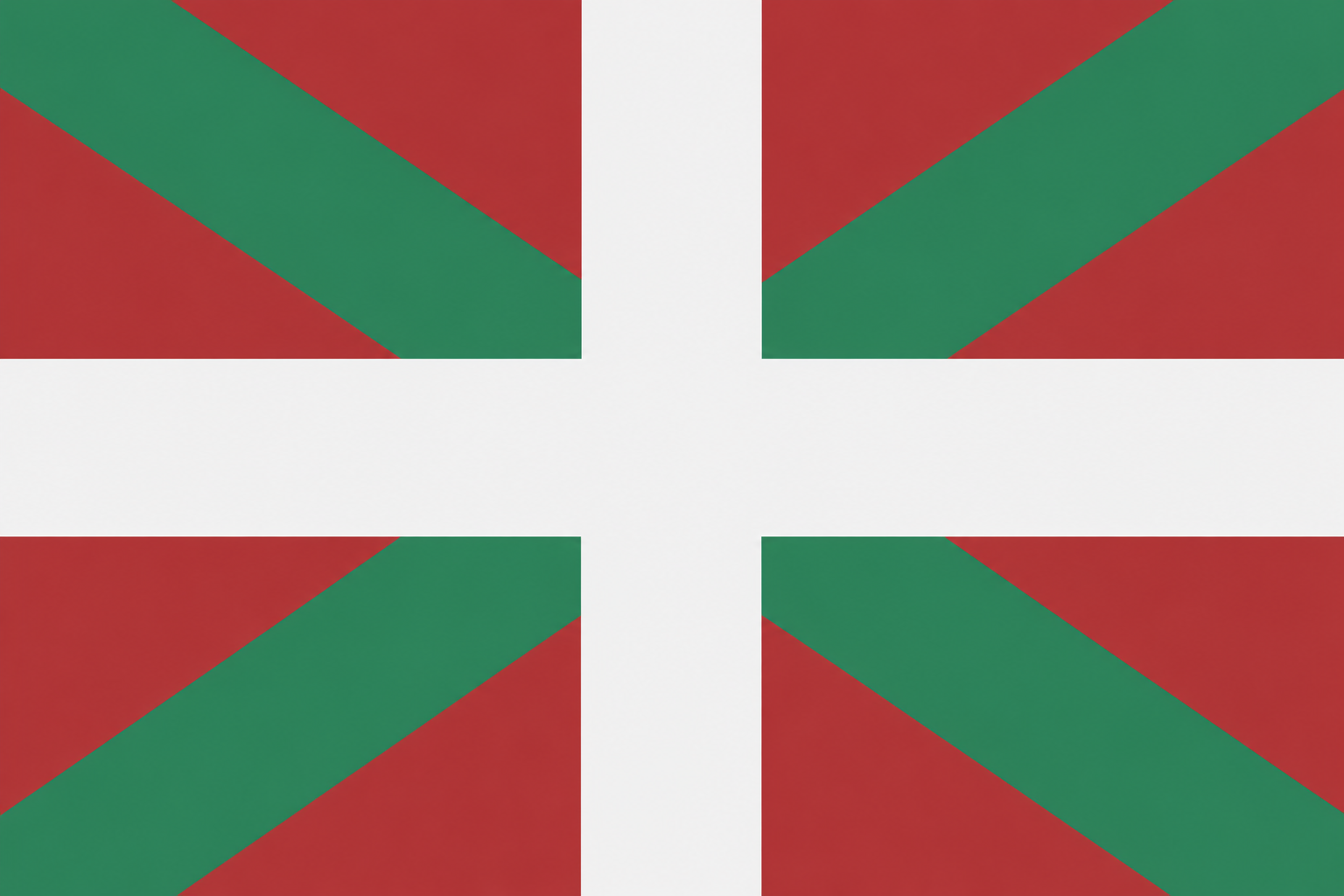
Euskaltzaindia onomastician Mikel Gorrotxategi warmly replied, noting that Hodei (“cloud”) was a modern epicene name dating to the 1976 repeal of the ban on Basque names. He stated that the surname Pagadi is one of many Basque family names derived from “beech” (fago or pago), intended here to reflect Beech Bluff. |
 Breton
|
Neven Faouenn Semantic |
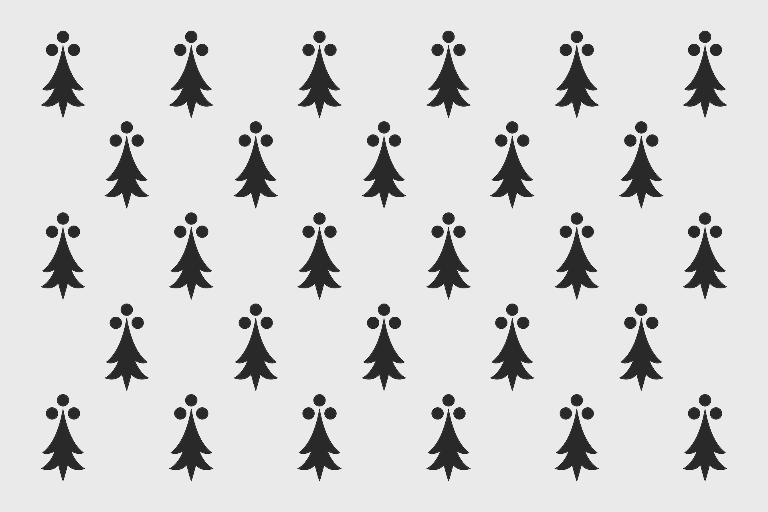
The Ofis Publik ar Brezhoneg obliged to respond that Neven is related to Breton neñv (“sky” in a religious sense) and could hence evoke Neal, thought to mean “cloud”. The beech-themed French surnames Faouen and Faouennec have Breton origins that would today be spelled Faouenn and Faouenneg and here reflect Beech Bluff. |
 Bulgarian
|
Slanchezar Bukovski Слънчезар Буковски Semantic |
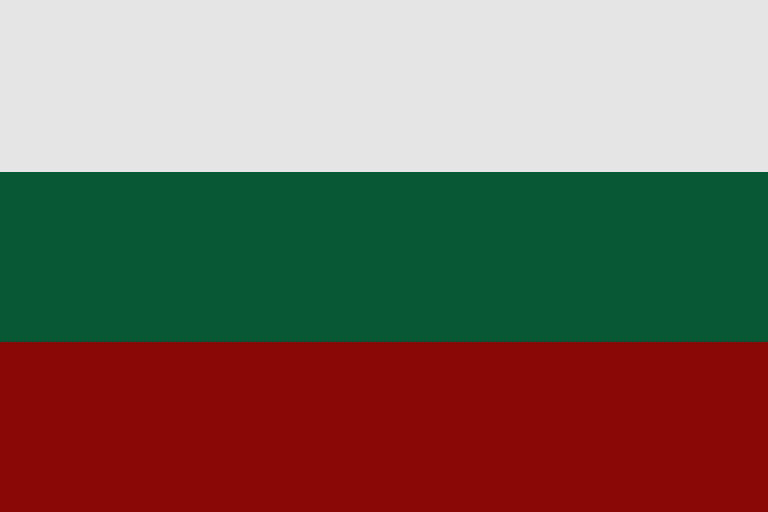
The Institute for Bulgarian Language anonymously provided me several resources and answered my questions. The first names Bùko (“beech”), Slŭnchezàr (“sunrise”), Zvezdàn (“starry”), and the archaic Strèlko (“arrow”) were all deemed semantically similar to the themes of Chase, Neal, and Beech Bluff. The surnames Bùkovski and the rarer Bùkovich both refer to beech trees, and Avdzhìev is from a Turkish loanword meaning “hunter”. Язониев (Yazoniev), a patronymic for Jason, my father, would be an appropriate middle name. |
 Catalan
|
Venanci Faig Semantic |
Catalan philologist Dr. Joan Anton Rabella of the Institute for Catalan Studies kindly indulged this question and affirmed this form; Venanci derives from Venantius (“hunting”). It is paired here with a surname from the beech tree (faig in Catalan) to reflect Beech Bluff, though Rabella noted several other possible beech-themed surnames, such as Fageda (“beech”) and Fatjó (“small beech”). |
 Chinese
|
Wéi Chènsī 韋趁思 Phono-Semantic |
Telamon Tabulicus of Atlas Altera generously helped me devise this name, in which chèn (趁), “(literary) to chase; to pursue; to follow; to take this opportunity” sacrifices some of the phonetic resemblance to achieve a semantic match. Like the Japanese transliteration, this name more closely reflects the surname’s older /vaɪ/ pronunciation.
|
 Cornish
|
Helghyer Keynfowek Semantic |
Kathy Wallis referred my request for a Cornish practice name to Janet Edmondson of the Names Board of Kowethas an Yeth Kernewek, who graciously entertained my request; she proposed Helghyer (“hunter”) and Bleydh (“wolf”, found in the surname Trembleath) to reflect my first name and constructed Keynfowek to mean Beech Bluff. |

Cumbraek
Constructed
|
Hellur Mayok
Semantic |
My Cumbraek practice name from its creator, linguist Neil Whalley, whose kind response I appreciated; he gave Hellur and Hellidh for Chase; Skoal, Gwelidh, Cempyat, Lawr (all “champion”), Niwl (“fog”), and Cummul (“cloud”) for Neal; and connected St. Vouga to both Old Irish Fiacc but also Breton Maeoc, which he put into Cumbraek as Mayok. |
 Dutch
Dutch
|
Radolf van Beukenhorst Semantic |
Language consultant Aleid van de Vooren approved of Beukenhorst as a translation of Beech Bluff and sent a list of Germanic Dutch names with several excellent though uncommon ones to evoke hunting, including Brandolf (“sword-wolf”), Gerelm (“spear-helm”), Radolf (“wise wolf”) and Wolfhelm (“wolf-helm”); Radolf, cognate to the name of my great-grandfather, was the final choice. |
 Elfdalian
|
Råðuov Kuorpsker Semantic |
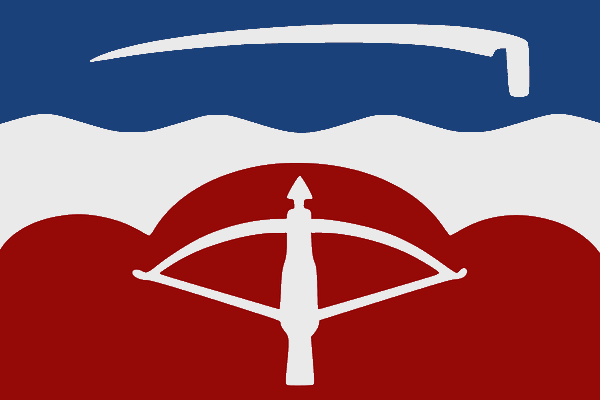
Ulum Dalska obliged many questions on onomastics, for which I am grateful; Björn Rehnström first proposed Kuorpskereð as the nominative form of a toponym meaning “raven’s cliff”, fusing the Via–fiach folk etymology and Beech Bluff. Stefan Jacobsson subsequently responded, noting that Kuorpskereð was in the definite form but that Kuorpsker would be a more likely toponym. He noted Råðuov as cognate to my great-grandfather Rafe’s name. |
Esperanto
Constructed
|
Česnilo Via Transliteration |
Česnilo is 2024 suggestion for the phonetic respelling of Chase Neal by French Esperantist Yostiano Altebrilas. Via is left unchanged and would reflect the /ˈviː.ə/ pronunciation; *Vio or *Viao could be other candidates if one prefers to use the noun ending —o. If one wanted to reflect /vaɪ/, *Vajo would be appropriate.
|
 Estonian
|
Neeme Viia Phonetic |
Estonian linguist Peeter Päll suggested Viia or Vija, existing Estonian surnames, on phonetic grounds, both reflecting the /ˈviː.ə/ pronunciation; the /vaɪ/ one would be more like *Vai. Neeme, which he also noted as phonetically reflecting Neal, is a particularly unique one coined in 1902, probably after the Livionian name Meeme. He also noted Jaagup as equating to Chase, though the two are somewhat distant phonetically.
|
 Faroese
|
Njál Ravnsklett Semantic |
Henry á Fríðriksmørk of the Faroese Language Council kindly answered my request here, suggesting Ravnsklett to mean “raven’s cliff”, fusing the Via–fiach folk etymology and Beech Bluff. Njál is the Faroese form of Neal. Jasonsson would be a patronymic middle name from my father’s name. |
 Friulian
|
Venansio Faéit Semantic |
Professor Franco Finco was given my query by the Regional Agency for Friulian Language and gave a generous reply. From Latin Venantius (“hunting”), Friulian has Venansio or Nansio. For Neal (“cloud”), Caelestinus (“sky”) gives Friulian Cilistin or Silistin. For “beech”—faiâr, vespul, and rep—he noted that a beech-covered height would bear names as Faêt, Faiêt, Faéit, Vespolêt “and the like”, though they did not produce prolific surnames like Rovaretto, as had Friulian Roveréit (“oakwood”). |
 Hungarian
|
Bükkerdő Levente Semantic |
Two research fellows of the Hungarian Research Centre for Linguistics’s Names Committee charitably produced an extraordinary reply [download] to my message, listing over forty names as they pertained to my inquiry. They considered the given name Levente (“hunter”) viable, and it was their first suggestion; other interesting but rare given names were Solymár (“falconer”) and Kartal (“eagle”). They noted Nil as a rendering of Neal. Bükkerdő they noted as a toponymic surname meaning “beech-forest”; in Hungarian, family names come before the given name. |
 Icelandic
|
Njáll Jasonarson Semantic |
When I was poised to study in Iceland for a time, the Árni Magnússon Institute’s head of public relation and communication, Ingibjörg Þórisdóttir, reported that she could not find any name “suitable” to render Chase, but approved of Njáll as a rendering of Neal and Jasonarson as a patronymic to reflect my father, Jason. |
 Irish
Irish
|
Niall Mac Giolla Fheaca Semantic |
On the folk etymology connecting Via to Saint Vouga, Gael Linn executive Réamonn Ó Ciaráin supposed Mac Giolla Fheaca would be an appropriate surname to reflect Cill Feaca (the Irish “St. Vogue”, with whom Vouga has been identified). Niall is equivalent to Neal. |
 Jämtlandic
|
Ulf Korpkłeppen Semantic |
Mattias Persson of Jamtamot i Uppsala kindly answered that he contacted a friend of his who was an expert in the language about names of my requested meanings. Ulf means “wolf”, semantically near “hunter”; Korpkłeppen means “raven-cliff”, fusing the Via–fiach folk etymology and Beech Bluff. Ulf would be pronounced with final [f] rather than Swedish [v]; korp (“raven”) is pronounced more like [koʃp].
|
 Japanese
|
Cheisu Nīru Vai チェイス・ニール・ヴァイ Transliteration |
My uncle, who spent two years at Hirosaki in Aomori in the mid- to late 1990s and one year at Muroran in Hokkaido starting in September 2001, studied at Hirosaki University for two years on scholarships and taught English on the JET Program in Muroran for the Muroran Board of Education at about a dozen schools. He used ヴァイ as his transliteration of Via and advised チェイス ニール ヴァイ for me. Uniquely, this transliteration of the last name preserves the older /vaɪ/ pronunciation, which still prevailed in my family at the time of his studies.
|
 Jèrriais
|
Venance Fau Semantic |
This name, the Jèrriais reflex of Venantius (“hunting”) paired with fau/fo (“beech”), was afforded to me by Geraint Jennings, the Jèrriais Promotion Officer of the Jersey Museum, who also noted fautelle (“beechmast”). In the case of Latin Caelestinus (“sky”) for Neal, he suggested using Célestîn. |
 Latvian
|
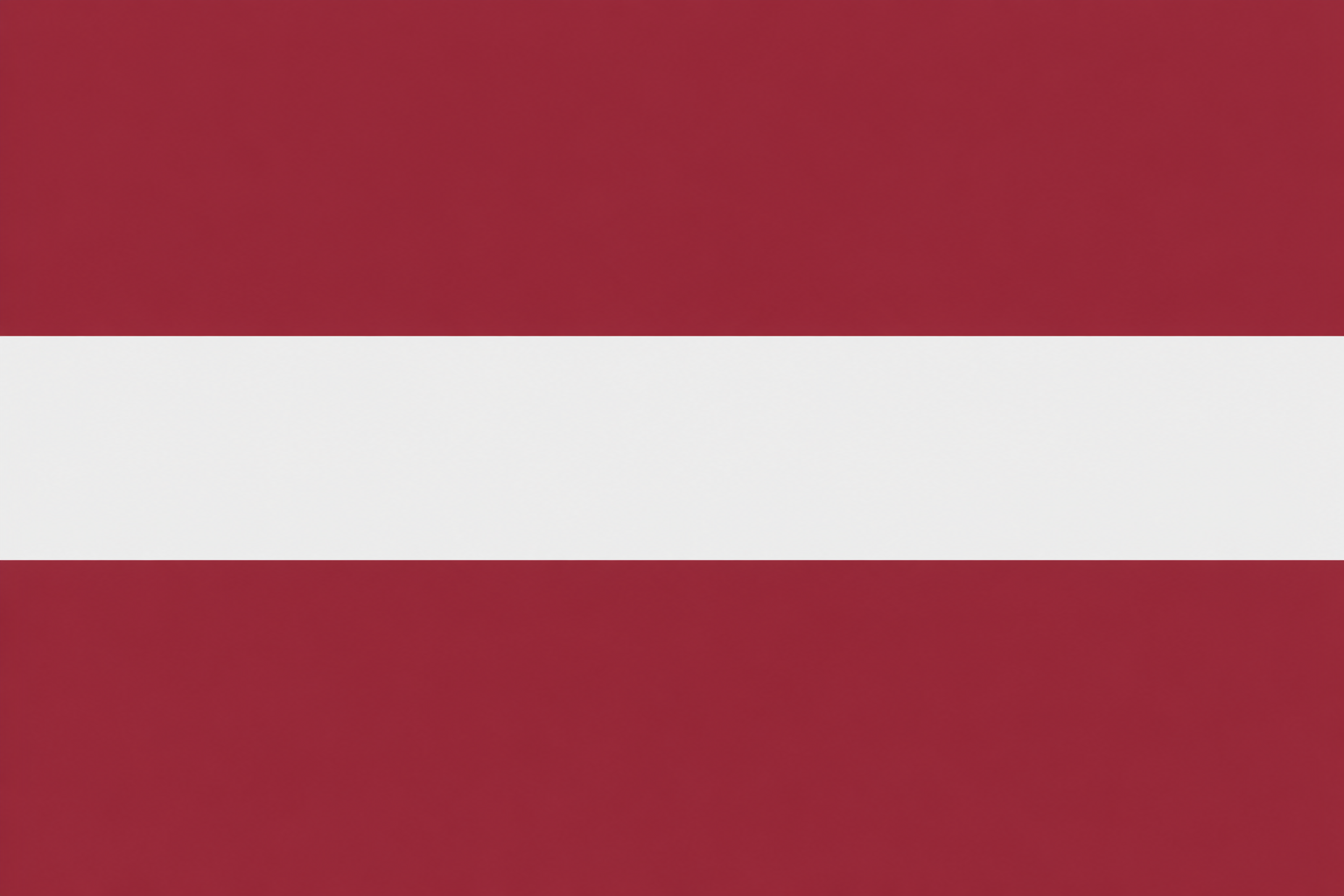
Čeiss Nīls Vija Transliteration |
The Latvian Language Agency returned this official Latvianization of my name in April 2024. The valodas konsultantes (language consultants) seem to have had the /ˈviː.ə/ pronunciation in mind; the /vaɪ/ one would be more like *Vai.
|
 Lombard
|
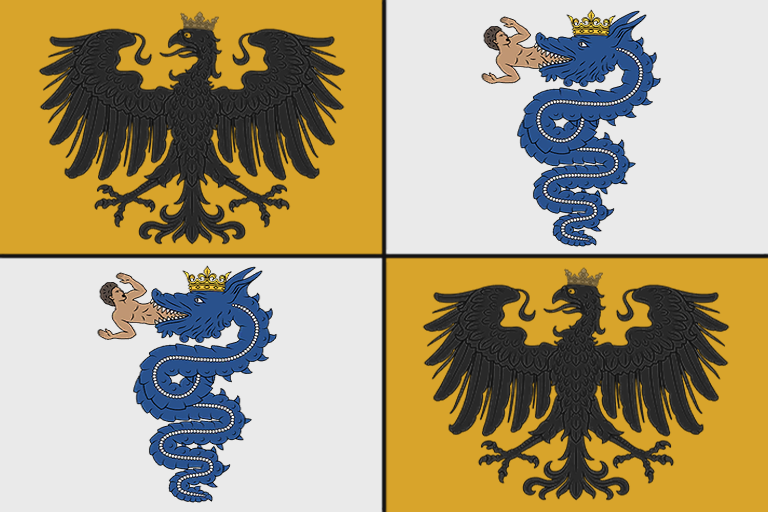
Venanzi Faedo Semantic |
When asked for the Lombard forms of Venantius (“hunting”) and an appropriate toponym for a beech grove, Simona Scuri of Lombard language advocacy group Far Lombard gave this reply; she admitted, however, that she was not aware of a concrete form for Venantius, only guessing how they might appear. |
 Manx
Manx
|
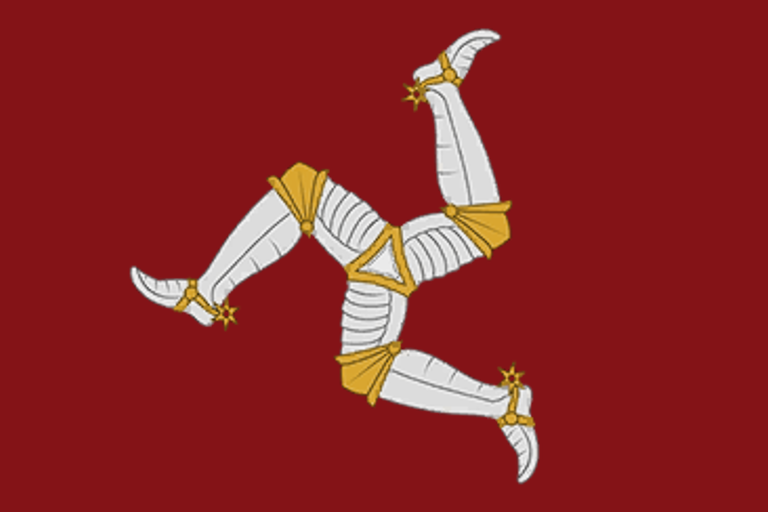
Neale y Dreeym-faih Semantic |
Lit. “Neal of the beech-ridge”, as kindly provided to me by Dr. Breesha Maddrell, director of Culture Vannin. Nele or Neale are both valid spellings, the latter more reflecting the Manx surname Kneale. She did note two things: firstly, that it was not common to translate surnames into Manx, and that users of the language often devised a pseudonym instead based on personal characteristics—such as Illiam Dhone—and secondly, that beech trees are an “uncommon, non-native species” on the Isle of Man. |
 Monégasque
|
Venançiu Crovu Semantic |
The Monégasque forms of Venantius (“hunting”) and the Italian surname Corvo (“raven”). Claude Passet of the Académie des Langues Dialectales explained that, in practice, modern Monégasque (spoken, he mentioned, by 200) usually retains foreign names. He said the Italian forms of these names would likely be used, but that these are truly adapted into Monégasque. As for Crovu, he noted that the “u” is pronounced [ou].
|
 North Frisian
|
Arfst Böökeklaf Semantic |
Dr. Lena Terhart of the Nordfriisk Instituut, to which I was referred by Ilwe Boysen of Friisk Foriining, cordially answered that there were no names that meant “hunter” or “cloud”, but listed Arfst (“eagle”), Bente/Benne (possibly “bear”), Danklef/Riklef (—lef poss. “wolf”), Geike/Geie/Gerret (“spear”), and Hunne (“bear”) as first names. She noted it would be unusual to combine beech and cliff, which would result in Böökeklaf, though she gave böökebuum as meaning “beech tree” in Fering North Frisian. |
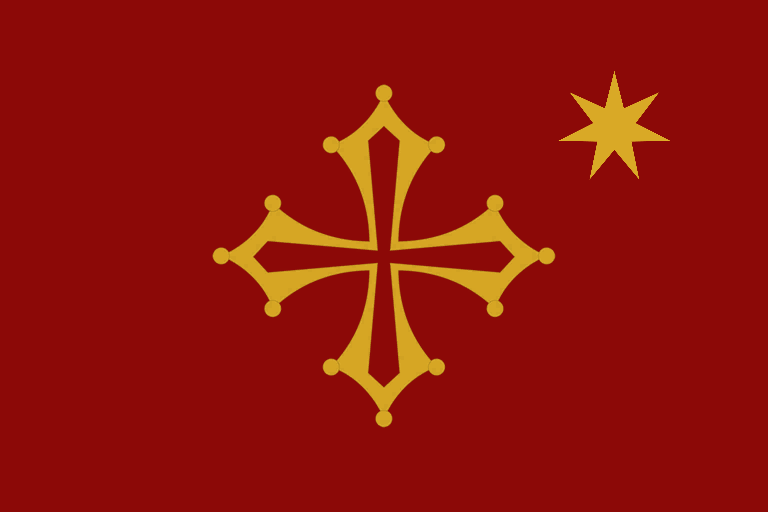 Occitan
|
Venanç Fau Semantic |
The President of the IEO, Pèire Brechet, kindly gave me this form of Latin Venantius (“hunter”), which is here paired with the Occitan surname Fau. Faiard, the Occitan form of French Fayard, is an option, though Fau has a loose resemblance to Via. |
 Old English
|
Wáþhelm ᚹᚪᚦᚻᛖᛚᛗ Semantic |
Lit. “hunting helm”, though the first element can also refer to “roving” and the second to “sky” or “canopy”. It was kindly suggested streamer, academic and webmaster Ingwine (C. Ryan Moniz), whose writing and research is in the historical languages of Europe and who made a modernized Ogham script. He gave several names—the more grounded Wulfhelm, Helmwulf, Wáþhelm, Wulfléah, and Wáþléah, and the more outlandish Wolcnwulf, Mistwulf, Lyftwulf, Wolcnléah, Mistléah, Lyftléah, Bócwulf, and Bóchelm. |
 Piedmontese
|
Venansi Fò Semantic |
My email to the Piedmontese cultural group Nòste Rèis received a reply from Raffaello Emaldi referring me to the Associazione Monginevro Cultura. The Associazione kindly clarified that the Piedmontese renderings of Venantius, Caelestinus and “beech” were Venansi, Celestin, and fò. |
 Prussian
|
Medīs Bukkakrants Semantic |
Lit. “hunter cloud beech-cliff”, provided by Prussian (i.e. revived Old Prussian) author and language activist Glabbis Niktorius from a database at my request. Gabbis noted meds— as the stem for “hunter” (though also identical to the stems for “forest” and “honey”), buks is “beech”, and several words could signify a cliff. He provided many surname options accordingly, each meaning “beech-cliff”. |
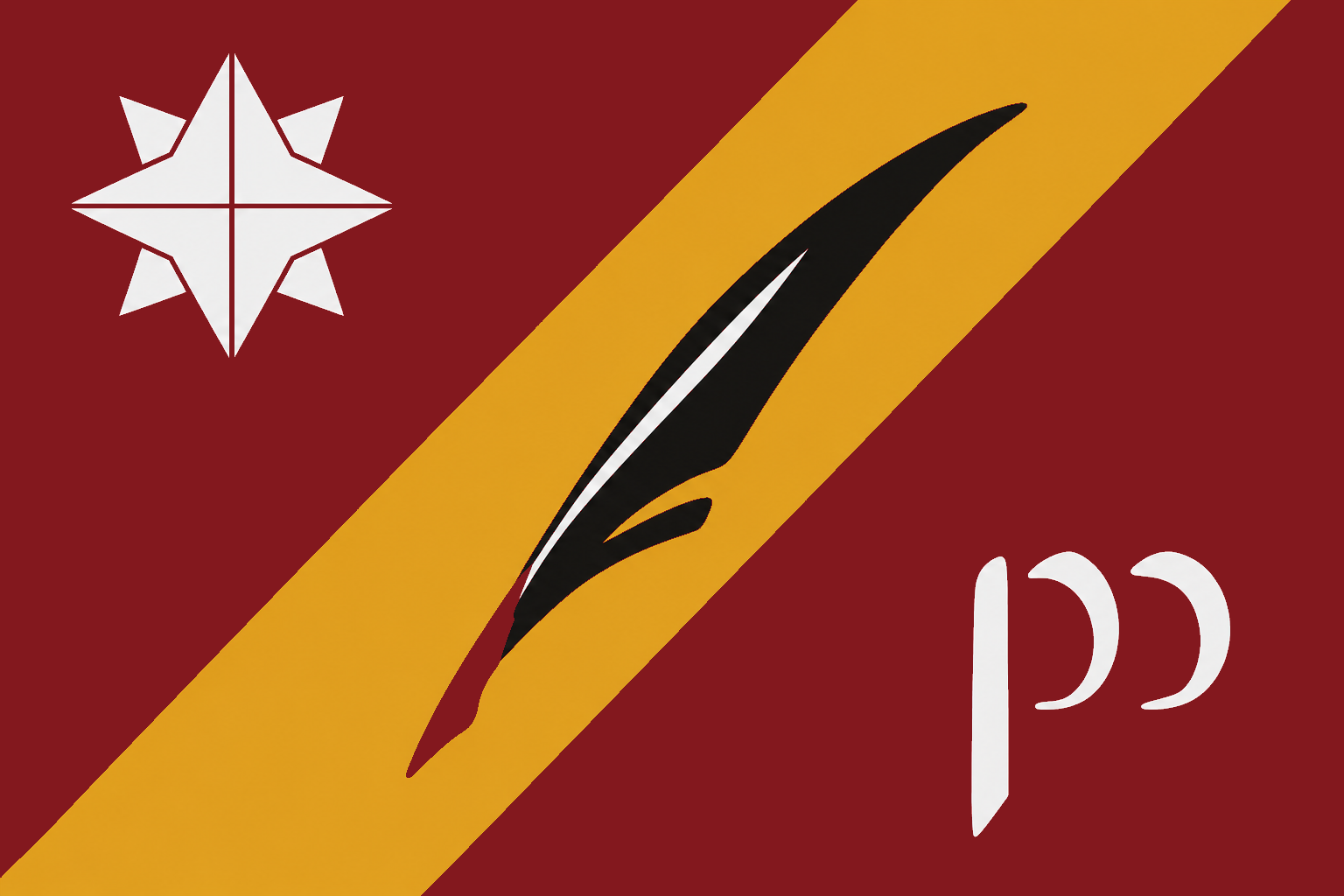
Quenya
Constructed
|
Fanyafarando Semantic |
A friendly forum user, Gilruin, devised the name Fanyafarando (“cloud-hunter”) in a forum thread, deriving it from fanya (“cloud”) and farando (“hunter”), the latter construction derived from for (“to hunt”). This would ostensibly be cognate to Sindarin Fanfaron, devised for me from Sindarin fân (“[white] cloud”) and Ñoldorin faron (“hunter”) by Sindarin teacher Rínor. |
 Romanian
|
Venanțiu Făgaru Semantic |
Communications staffer Renate Luică of the Romanian Cultural Institute produced a cordial reply to my request giving Venanțiu as the Romanian version of Venantius (“hunting”) and Făgaru as a surname meaning “beech”. |
 Romansh
|
Venanzi Fau Semantic |
Translator Marina Cajacob of Lia Rumantscha responded to my request for Sursilvan Romansh renderings of the name combination widely used in this project for Romance languages: reflexes of Latin Venantius followed by a surname relating to the beech tree. Marina explained that the Romansh for beech is fau. |
 Sanskrit
|
Meghavyādha मेघव्याध Semantic |
A bespoke name briskly provided to me by Sanskrit scholar, author, and onomastician Nityānanda Miśra, derived from मेघ, meghá (“cloud”) and व्याध, vyādha (“hunter”), to mean “hunter-from-the-clouds”. |
 Scottish Gaelic
|
Niall Mac’IllFhice Semantic |
On the folk etymology connecting Via to Saint Vouga, Uist musician and Gaelic teacher Gillebrìde Mac’IlleMhaoil suggested Fhice as a genitive form of Feaca (“St. Vogue”) and advised the form Mac’IllFhice (in line with his own name’s spelling) to mean “son of the follower of St. Vogue”. It could also be styled, more fully, MacGilleFhice. Niall is equivalent to Neal. |
 Sicilian
|
Venanziu Corvu Semantic |
Venanziu is the Sicilian form of Latin Venantius (“hunting”); Corvu, lit. “raven”, is from the established Italian surname Corvo and shares its meaning with Irish fiach (“raven”), to which Via was folk-etymologically connected. The Sicilian forms were afforded to me by Sicilian language professor and advocate Gaetano Cipolla. |
 Swedish
|
Rådulf Bokbrant Semantic |
The surname (“beech bluff”) was approved by Swedish genealogist Hans Högman. Högman noted that there are no given names equivalent to Chase or Neal in Swedish; thus, Rådulf was taken as a cognate name of my great-grandfather Rafe Blankenship, born in Beech Bluff. Högman approved both, though he noted Rådulf was “really old”. |
 Tamil
Tamil
|
J. Megavedan ஜே. மேகவேடன் Semantic |
Kanniyammal of Madhan Karky’s Karky Research Foundation kindly suggested Megavedan (மேகவேடன்). Its more puristic equivalent would be Mugilvedan (முகில்வேடன்). It would be traditionally preceded (though it is now often succeded) by the surname—in this case, the patronymic Jesan (ஜேசன்). |

Tsevhu
Constructed
|
Meuhetae Semantic |
[mœhɛte], lit. “cloud hunter”, from meu (“cloud”) and hetae (“hunter”), as approved by the inventor of the niche koi-themed language, Koaciinyl Vhuyt (u/koallary), on the Tsevhu Discord server (Koilang). One user, Sakyoteqatu (u/MachaiArcanum), noted that a more grammatical form would be Hetaemeu, though Koaciinyl Vhuyt then replied that, in Tsevhu name creation, morphosyntax can be disregarded in favor of aesthetics.
|
 Tswana
|
Motsomi Moitshepi Semantic |
Thapelo J. Otlogetswe graciously explained Tswana names to me in 2024 and noted motsomi, “hunter”, as well as moitshepi, “holy man”, which might reflect the St. Vouga folk etymology. |
 Turkish
|
Avni Yasinoğlu Semantic |
Turkish artist Derya Akay proposed Avni Yasinoğlu in a forum thread, connecting av (“hunt”) to the unrelated Avni and turning Yasin (phonetically like Jason, my father’s name) into the patronymic Yasinoğlu. |
Uropi
Constructed
|
Cagor Bugia Semantic |
As Joël Landais, the language’s inventor, kindly explained: “There is a suffix for agent: -or: cago = to hunt > cagor = hunter, vark-or = worker, piv-or = drinker, etc. Beech is a common PIE root: bʰehₐǵós > Uropi: bug, now there is a diminutive suffix -it > bugit is a small beech, and a suffix for -place: -ia > bug-ia is a beech grove”. |
 Venetian
|
Nansio Fajon Semantic |
Fernando Menegatti of Łengua Mare answered me, noting that the Venetian form of Venantius is Nansio. He also noted several Venetian surnames and their Italian equivalents (Fajon → Faggion, Fajonato → Faggionato, Fajetto). |
 Võro
Võro
|
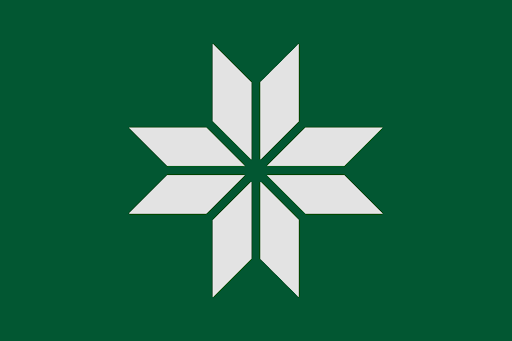
Varõsoja Jakap Semantic |
As I learned while researching for a project, the Võro cognate of Jaagup (see Estonian) is Jakap; onomastician Fastrõ Mariko of the Võro Institute gave Varõsoja~Varõsuja or Varõsõ oja~uja, also Kaarnaoja~Kaarnauja, as toponyms meaning “raven’s creek”. The beech does not extend into traditional Võro lands and thus the “raven” Via folk etymology was used. As customary in Võro, the surname comes first. |
 West Frisian
|
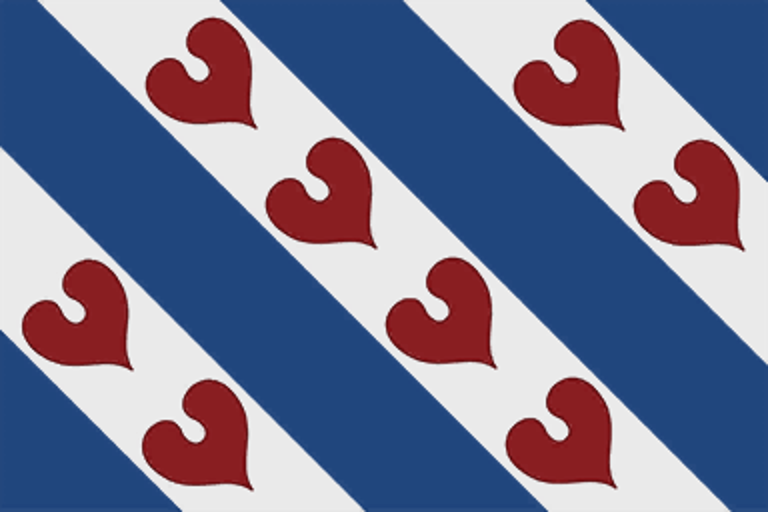
Wolfer Bûkewâl Semantic |
Ciska Noordmans, translation department coordinator of the Algemiene Fryske Ûnderrjocht Kommisje (Afûk), delivered me a number of names meaning “hunter”—Wolke (“wolf-fair”) and Wolfer (“wolf-strong”) as well as Hil— names like Hilbert, Hille, and Hildwin. Noordmans translated “beech-slope” as Bûkewâl, reflecting Beech Bluff. |